
BRIC PROJECT
Local Resilience Team
The BRIC Project is funded by the Department for Infrastructure (DfI) Rivers and sits within the regional Local Government Civil Contingencies Team hosted by Armagh City, Banbridge and Craigavon Borough Council. The project is managed by a Resilience Manager, Ciara O Hanlon with project support from a Resilience Officer, Lois Mc Donald. Two Community Resilience Officers (CROs) Keith Cullen and Matthew Nevin are employed and based at Lough Neagh Discovery Centre, Craigavon.
The project reports to the Regional Community Resilience Group which meets on a bi-annual basis.
Aims of the Project
The project aims to strengthen community resilience across Northern Ireland by linking with existing structures to promote, support and embed community resilience.
The BRIC project aims:
- Promote awareness of civil contingency arrangements in Northern Ireland;
- Support existing and new community resilience groups;
- Provide information on practical steps to become resilient;
- Communicate with individuals and communities to support the completion of plans to prepare for, respond to and recover from an emergency;
- Collaborate with businesses and the community and voluntary sector;
- Signpost households to various organisations for support;
- Share and learning from good practice across the UK and Ireland.
BUILDING RESILIENCE IN COMMUNITIES (BRIC) PROJECT LAUNCH
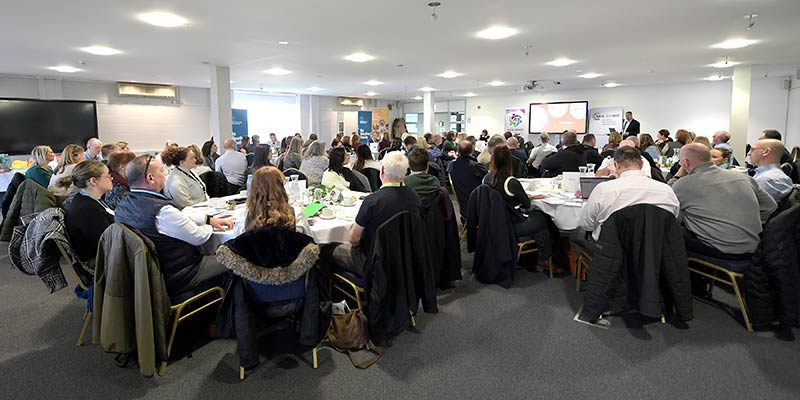
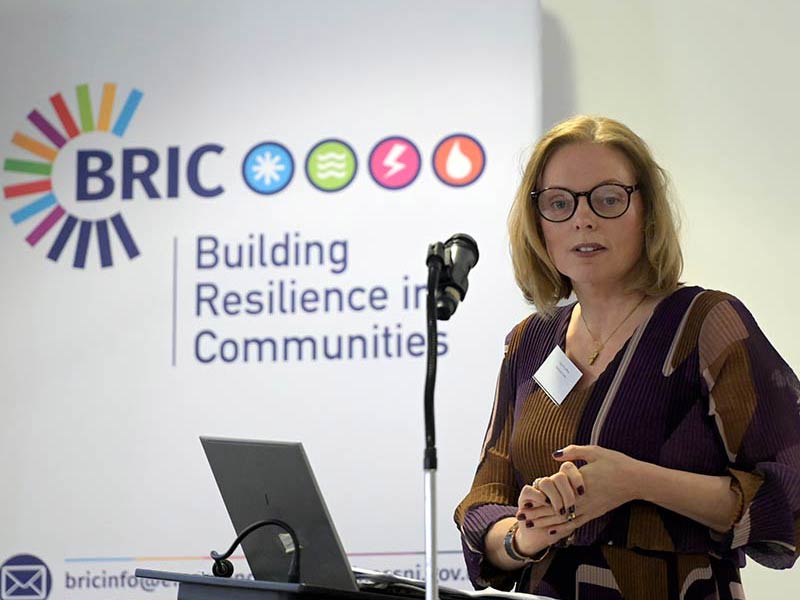
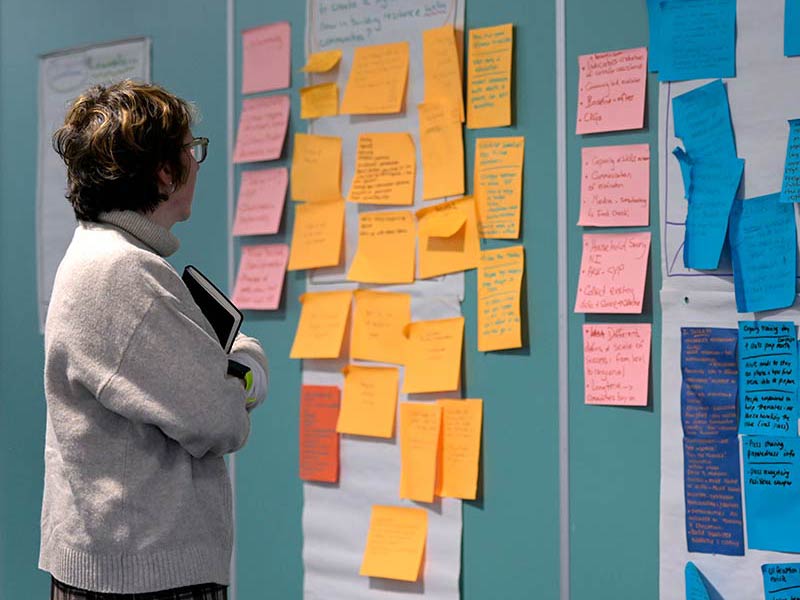
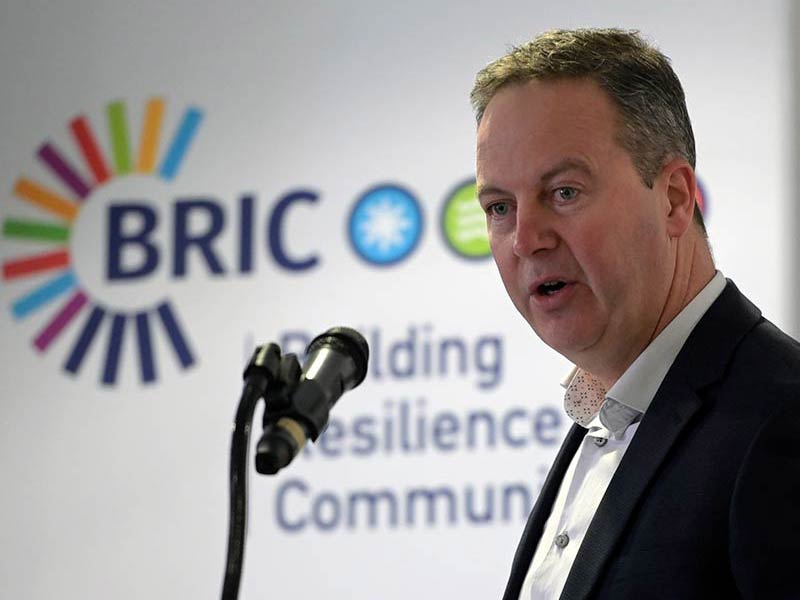
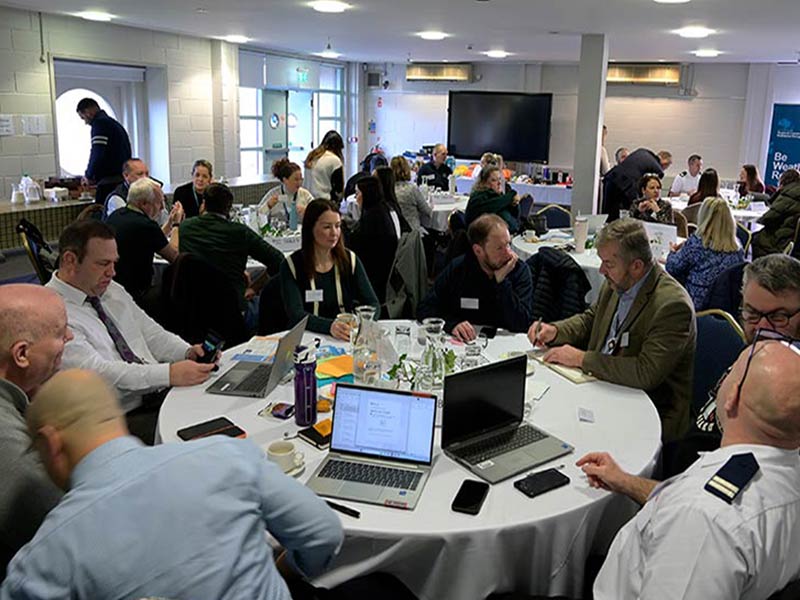
The Building Resilience in Communities (BRIC) project was officially launched on 21st January 2026 at Lough Neagh Discovery Centre. The launch was well attended by over 80 multi -agency partners from a wide range of organisations and provided a networking opportunity to discuss collective community resilience activities and building preparedness and resilience within communities.
The aim of the project is to strengthen community resilience across Northern Ireland by linking with existing structures to promote and embed community resilience, aligned with the strategic objectives of the Resilience Strategy, 2025- 30.
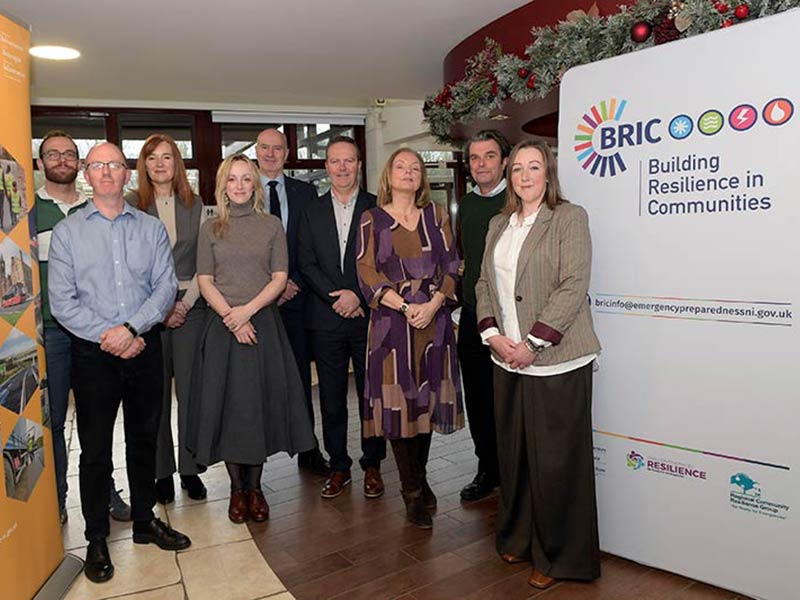
Kathy Dawson and Keith Cullen, BRIC project Community Resilience Officers will collaborate with community resilience groups to support and facilitate planning and preparation for community response and recovery activities. The officers will promote household and community preparedness resources and planning. The BRIC project is funded by Department of Infrastructure (Rivers Directorate) reporting to the Regional Community Resilience Group (RCRG).
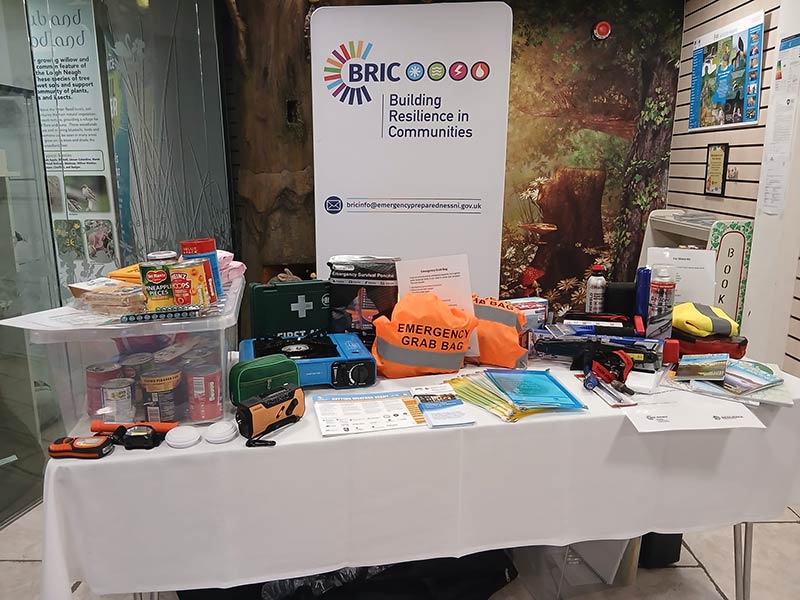
Community Resilience Officers, Keith, and Kathy are available to speak to community groups and can display household emergency kits and resources.
‘5 Steps to Be Ready’ Campaign
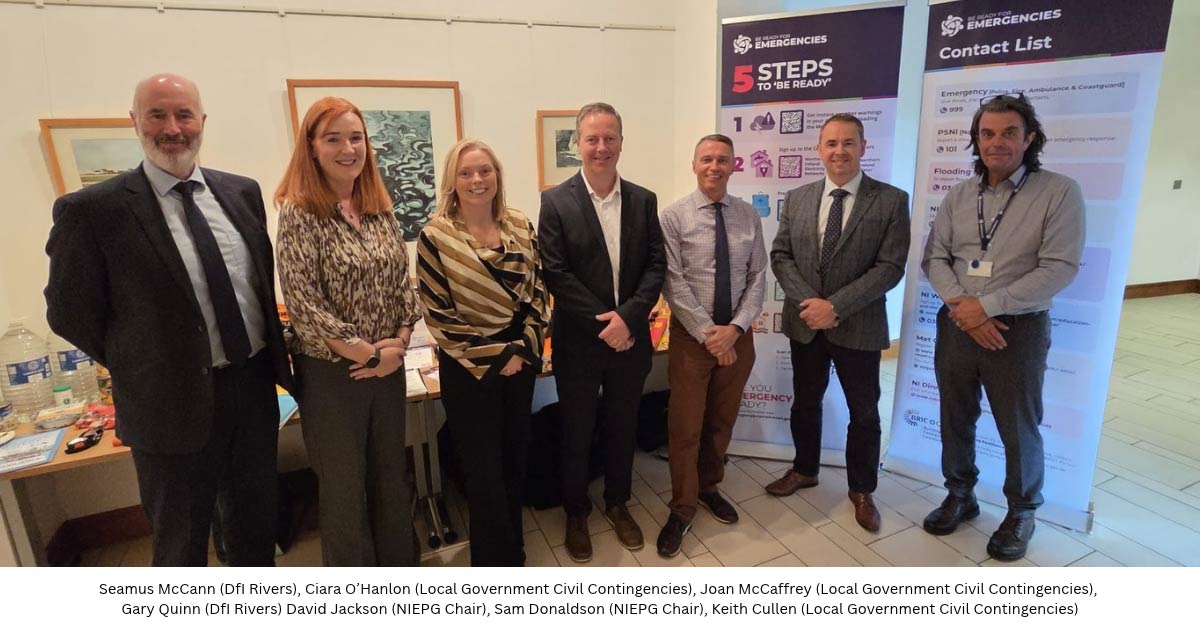
The Building Resilience in Communities (BRIC) project funded by the DfI Rivers Agency officially launched a new ‘5 Steps to be Ready’ campaign on the 22nd September 2026 at the N.I. Emergency Preparedness Group (NIEPG) meeting.
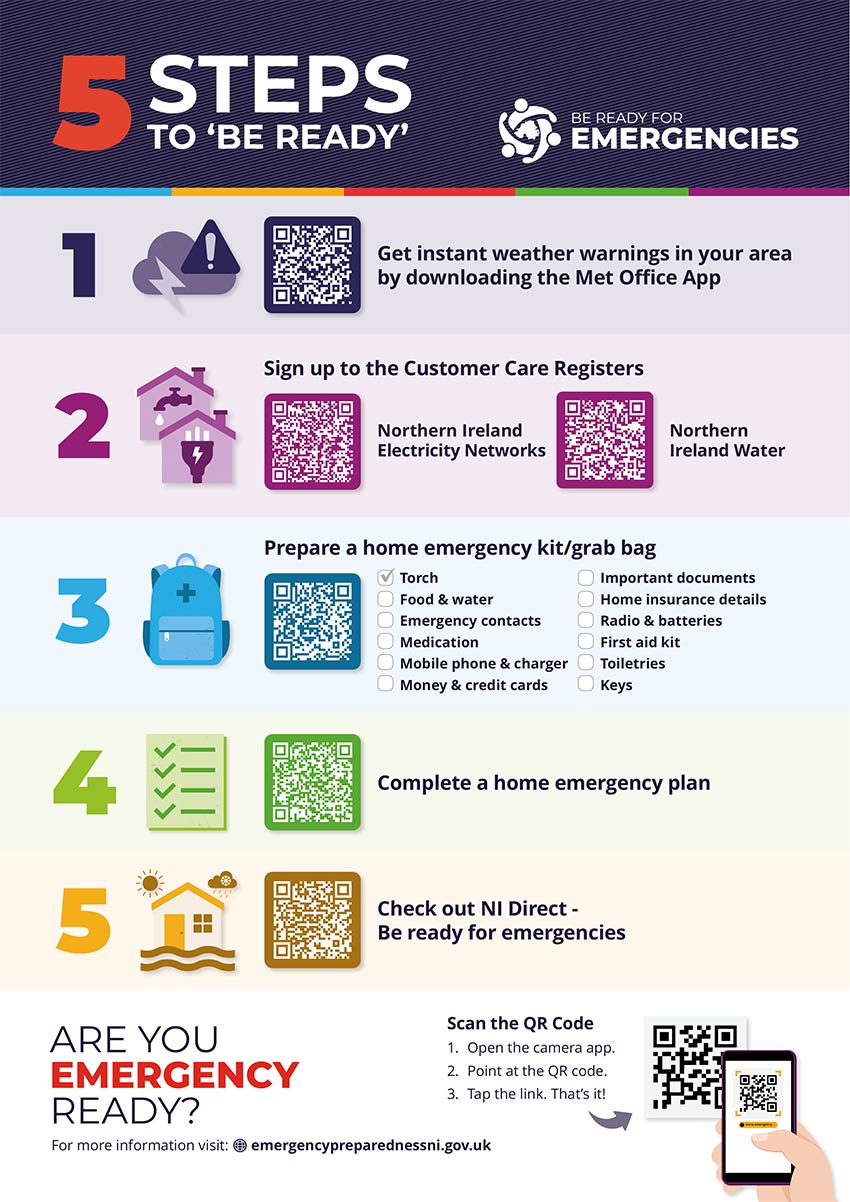
The regional campaign highlights five actionable steps that households and communities can take.
The five steps are:
- Registering for Met Office weather warnings;
- Registering for NI Electricity Networks (NIE) and NI Water (NIW) Customer Care Registers;
- Preparing a Home Emergency Kit/ Grab Bag;
- Creating a Home Emergency Plan; and
- Refer to ‘Be Ready for Emergencies’ on NI Direct for further advice and information.
The campaign is based on best practice from Local Resilience Fora in England and Scotland. It complements the existing information provided by all our partners and captures clear and concise information in one document. It has been adapted and developed in collaboration with our partners across all sectors in Northern Ireland and especially members of the public who expressed their opinion on the 5 Steps ‘to be ready’ approach and messaging.
Gary Quinn, Rivers Operations Director, said: “DfI Rivers is pleased to support the Building Resilience in Communities project, which is helping communities across Northern Ireland to better understand local flood risk, prepare for emergencies and take practical steps to protect themselves, their families and their property”.
The regional campaign will be promoted as part of the #BeReadyNI Campaign during September as Preparedness month.
The Community Resilience Officers will continue to deliver information sessions and workshops focusing on household and community resilience across the region.
DFI ‘LITTLE CHANGES’ PODCAST – COMMUNITY RESILIENCE
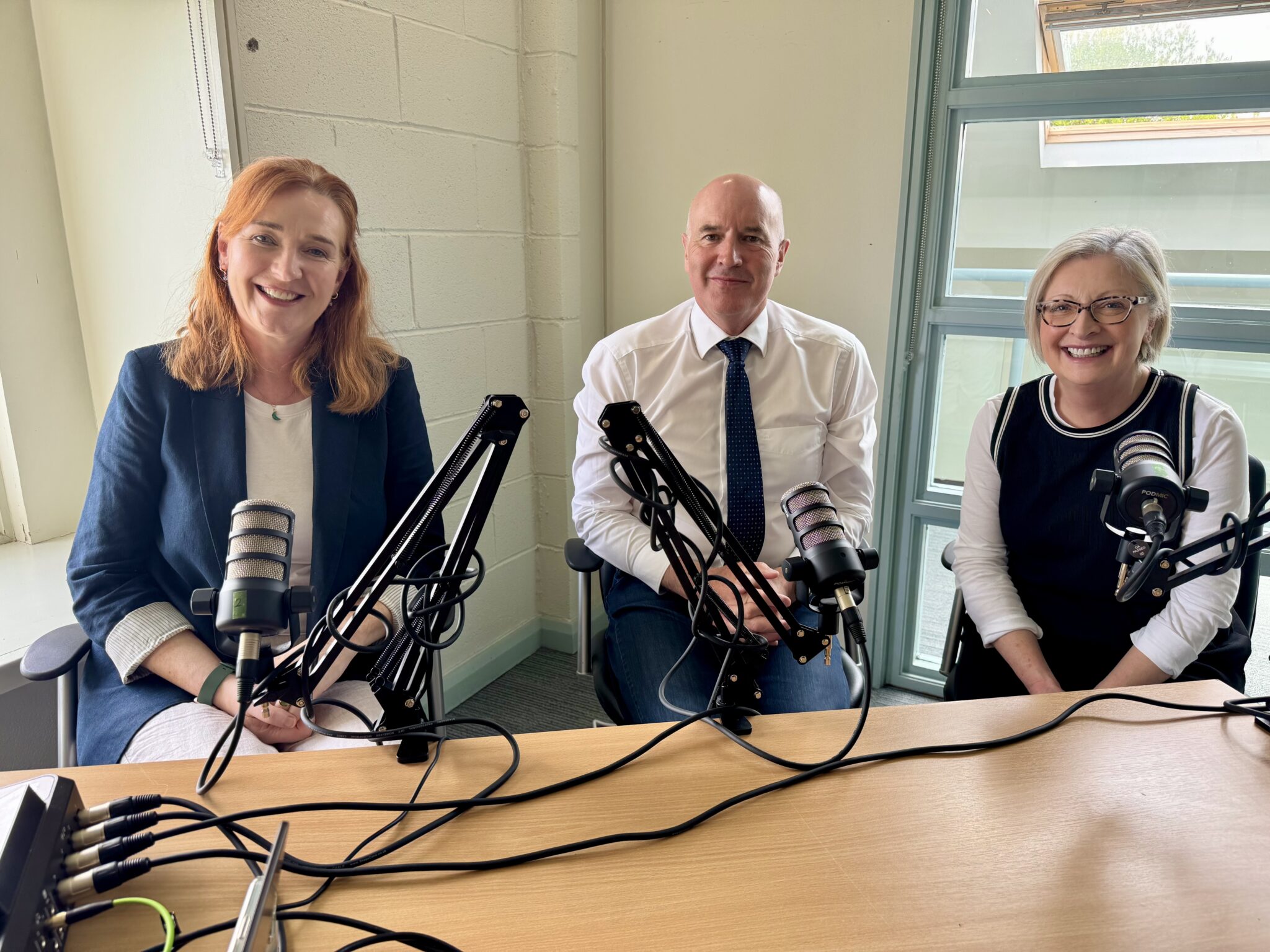
Ciara O’Hanlon, Project Manager, BRIC project was recently interviewed alongside Joanne McKenna, Red Cross and Seamus McCann, DfI Rivers Directorate in the Department for Infrastructure ‘Little Changes’ podcast.
What does ‘Building Resilience in Communities’ actually mean, and how is it creating awareness to help people better prepare for emergencies, including weather related incidents such as flooding.
Joanne McKenna: “We all collectively know how these incidents impact on people’s lives because we’re there and we’re responding.”
Click here to listen to the podcast: Building Resilience in Communities | Little Changes
KEEP SAFE, KEEP WELL EVENT, LNDC. 11.02.2026
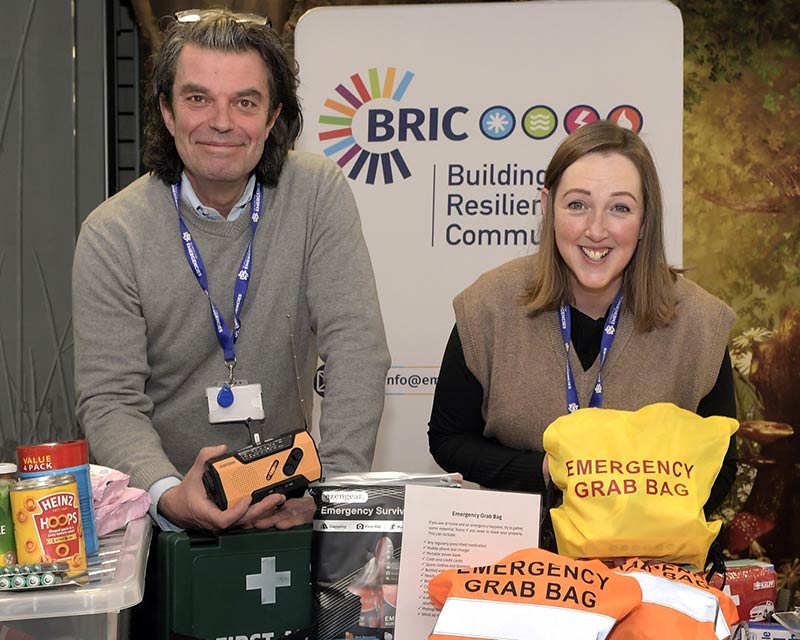
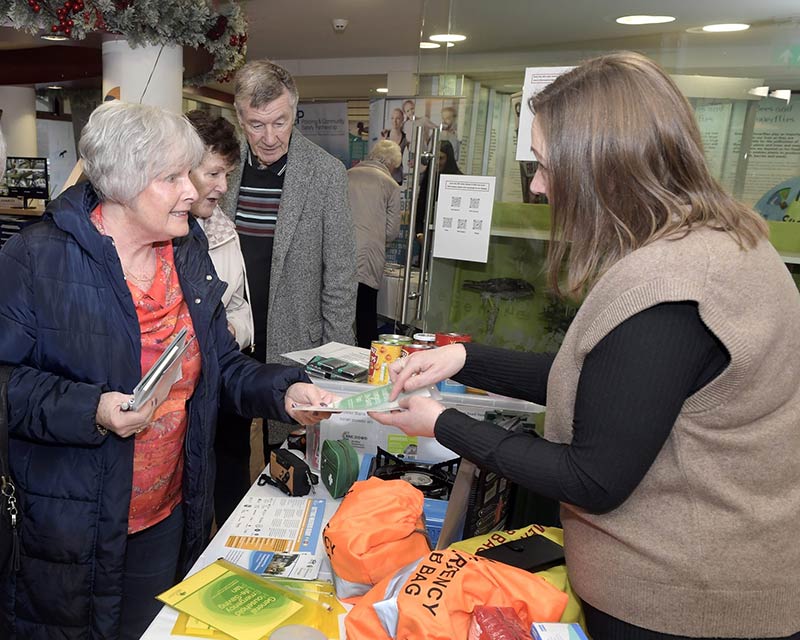
Community Resilience Officers from the Building Resilience in Communities, BRIC Project, attended the Keep Safe Keep Well Conference at the Lough Neagh Discovery Centre, organised by the Armagh, Banbridge and Craigavon Policing and Community Safety Partnership.
Welcoming over 100 older people from across the borough, the event highlighted a wide range of important issues around staying safe and keeping well.
The Community Resilience display featured practical items designed to encourage visitors to engage in conversations about being prepared in the event of an emergency.
Attendees also had the opportunity to visit information stands from key service providers, offering guidance on topics that directly affect older people and supporting them to feel informed, connected, and confident within their community.
There was interest amongst the attendees in the items on display with some commenting that it would encourage them to write down emergency and personal contact numbers if their mobile phone batteries lose their charge.
There was also the realisation that keeping a supply of bottled water and non-perishable, tinned goods are recommended to prepare for future emergencies.
The BRIC Community Resilience Officers, Keith Cullen and Kathy Dawson continue to work in collaboration with Emma Daly, Home Accident Prevention Officer, Southern Health, and Social Care Trust – Home Safety Team who can provide items such as battery-operated torches amongst other home safety items.
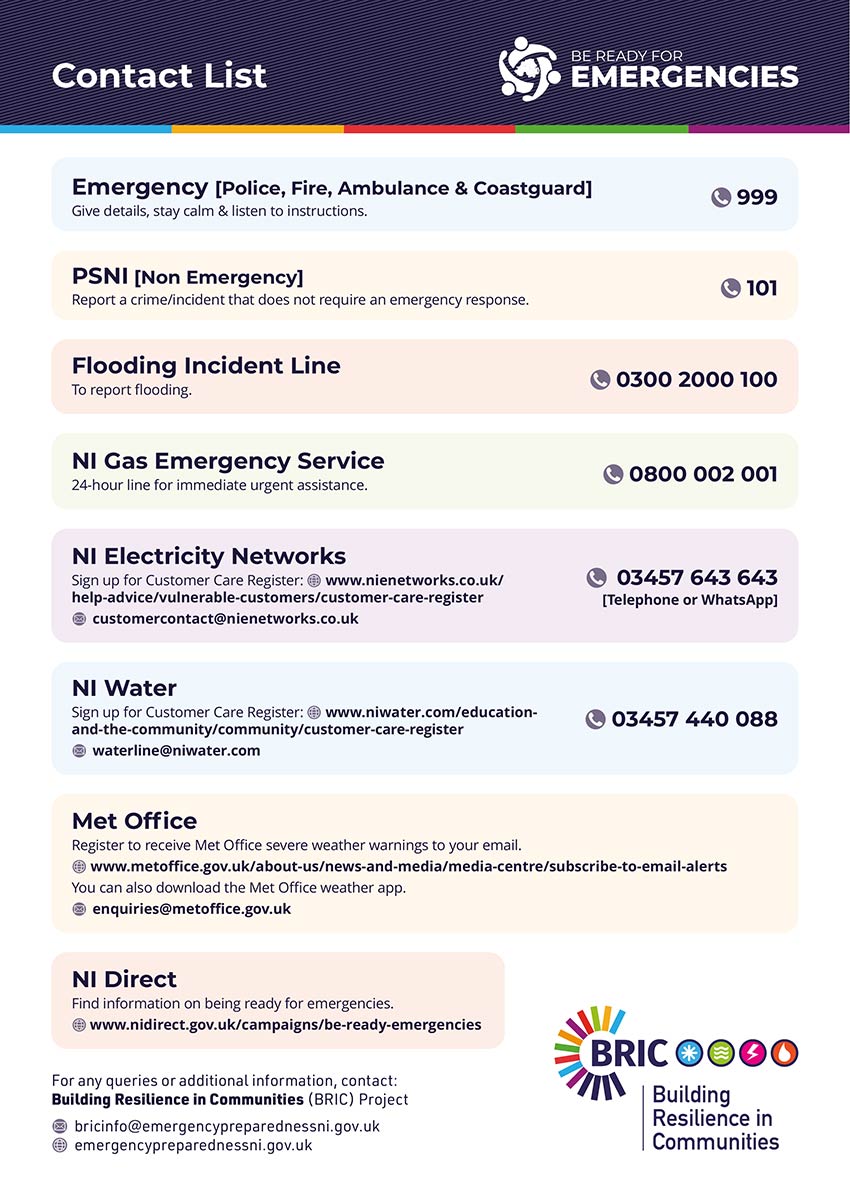
For further information please contact:
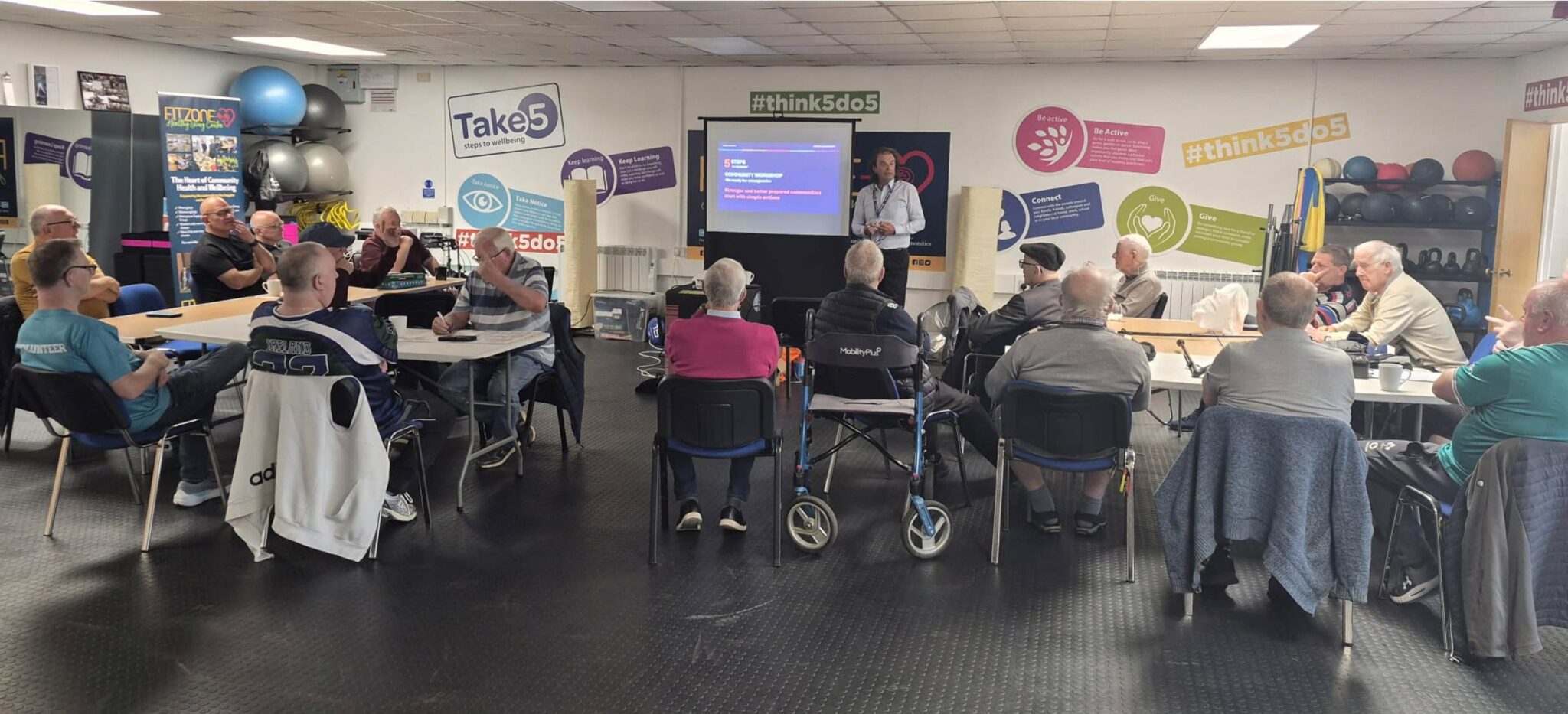
The Community Resilience Officers engage with all 11 Council areas with staff from emergency planning, community development, community planning and climate change teams. The Officers also engage with staff from the health trusts and community and voluntary sector with the aim of improving preparedness in communities.
The engagement activities take many forms and they provide;
- Opportunities for groups to discuss previous flooding and current concerns;
- Promote the DfI’s Homeowner Flood Protection Grant Scheme and the RCRG weather alerts;
- A space where statutory agencies can reassure residents, understand the local issues and ‘lived experience’;
- Discuss and provide information on potential future capital works;
- A space where local partners and council are made aware of other local issues such as anti-social behaviour and signposting to relevant organisations and support;
- A greater awareness of sandbag containers, the codes and demonstrations on how to effectively erect them if flooding occurs;
This engagement has enabled households to have greater confidence in agencies and be better prepared in the event of an emergency, such as flooding or power outages caused by a storm by referring to the NI Direct ‘Be Ready’ webpage and compiling Home Emergency Kits.
Today’s theme for the Be Ready NI Campaign is ‘Home Emergency Kits’. The Building Resilience in Communities (BRIC) Project, funded by DfI Rivers, aims to support people become better prepared for emergencies. In this video Keith Cullen, Community Resilience Officer, highlights the items you could consider including in an emergency kit for your home.
Other useful information on being ready for emergencies, such as flooding or power outages, can be found on NI Direct – https://www.nidirect.gov.uk/campaigns/be-ready-emergencies.
For more information on the BRIC Project and how households and communities can become more resilient, please email .
#BeReadyNI
CONTACT US